
Every homeowner dreams of a sanctuary – a place that’s always comfortable, efficient, and cost-effective to maintain. While many factors contribute to achieving this ideal, one stands out as a foundational element: high-quality home insulation. It’s not just about battling the winter chill or the summer heat; it’s about fundamentally transforming your living environment into a more stable, healthy, and valuable space.
Why Insulation Matters More Than You Think
At its core, insulation acts as a crucial barrier, tirelessly working to keep unwanted temperatures out and desired temperatures in. This seemingly simple function yields profound benefits for your home and your wallet.
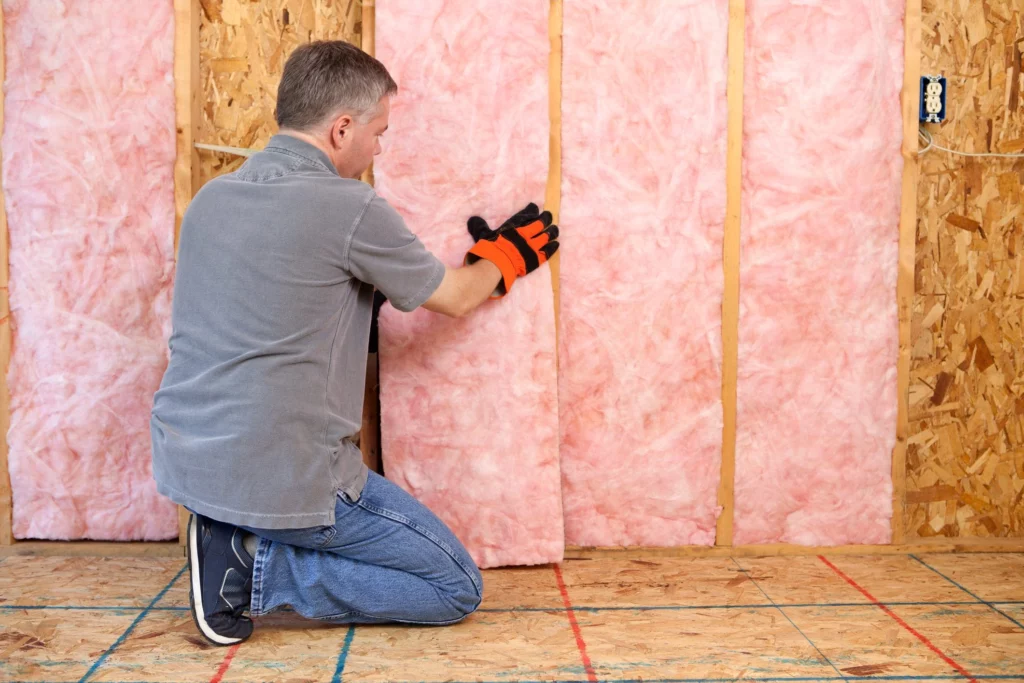
Significant Energy Savings: Without proper insulation, a considerable amount of heat (in winter) or cool air (in summer) can leak directly through your walls, ceilings, and floors. This forces your heating and air conditioning systems to work overtime, consuming more energy and driving up your utility bills. Effective insulation dramatically reduces this thermal transfer, allowing your HVAC system to operate more efficiently and saving you money month after month.
Enhanced Indoor Comfort: Ever experienced cold spots near windows or drafts along the floor? Inadequate insulation is often the culprit. By creating a uniform thermal envelope, insulation eliminates these uncomfortable inconsistencies, maintaining a steady and pleasant temperature throughout every room, regardless of the weather outside. Say goodbye to uncomfortable drafts and hello to consistent comfort.
Increased Home Value: A well-insulated home is a highly desirable asset in the real estate market. Prospective buyers understand the long-term benefits of lower energy costs, improved comfort, and a more sustainable living environment. Investing in insulation is an investment in your home’s equity and future market appeal.
Beyond Temperature: The Added Benefits
The advantages of good insulation extend far beyond just regulating temperature.

Noise Reduction: Insulation materials naturally absorb sound, creating a quieter, more peaceful indoor environment. This is especially beneficial if you live near busy roads, in a high-traffic area, or simply want to reduce noise transfer between rooms within your home.
Moisture Control & Healthy Air Quality: Certain types of insulation, particularly spray foam, help seal your home against air leaks, which can prevent moisture intrusion. By reducing the potential for condensation and dampness within wall cavities, insulation helps mitigate the risk of mold and mildew growth, contributing to healthier indoor air quality and protecting your home’s structure from moisture damage.
Reduced Carbon Footprint: By decreasing your home’s energy consumption, you’re also reducing its demand on power grids and the associated greenhouse gas emissions. Insulation is a key component of sustainable living and an eco-friendly home.
Navigating Your Options: Types of Insulation
The world of insulation offers diverse solutions, each with unique properties and ideal applications:
Fiberglass Batts & Rolls
This is perhaps the most recognizable form of insulation. Made from spun glass fibers, it’s available in pre-cut batts or longer rolls, making it a cost-effective and relatively straightforward option for standard-sized wall cavities, attics, and floors in new constructions or easily accessible areas.
Loose-Fill / Blown-In Insulation
Consisting of small, loose particles of fiberglass, cellulose (recycled paper products treated for fire resistance), or mineral wool. This material is blown into attics or existing wall cavities through small access holes. It’s an excellent solution for retrofitting insulation into finished homes, uneven spaces, or areas with many obstructions.
Spray Foam Insulation (Open-Cell & Closed-Cell)
A highly effective and increasingly popular choice, spray foam starts as a liquid that expands rapidly upon contact, filling every void and crack to create an airtight seal.
Open-Cell Foam is lighter, more flexible, and an excellent air barrier, also offering good sound dampening.
- Closed-Cell Foam is denser, provides a higher R-value per inch, and acts as a vapor barrier, offering superior structural rigidity and moisture resistance. Both are fantastic for hard-to-reach areas, irregular spaces, and achieving superior thermal performance.
Loose-Fill / Blown-In Insulation
Consisting of small, loose particles of fiberglass, cellulose (recycled paper products treated for fire resistance), or mineral wool. This material is blown into attics or existing wall cavities through small access holes. It’s an excellent solution for retrofitting insulation into finished homes, uneven spaces, or areas with many obstructions.
Rigid Foam Boards
These stiff panels of insulation (made from materials like polyisocyanurate, extruded polystyrene, or expanded polystyrene) offer high R-values and are often used on exterior walls, in basements, or in new construction for continuous insulation.
Ready to Upgrade Your Home's Comfort & Efficiency?
Choosing the right insulation solution for your home depends on various factors, including your climate, existing structure, budget, and specific comfort goals. It’s a significant investment that pays dividends for years to come, and our team of certified professionals is here to ensure you make the best choice.
Don’t let another season go by with uncomfortable temperatures and soaring energy bills. Contact us today for a free, no-obligation consultation! We’ll assess your home, discuss your needs, and provide a tailored insulation plan designed to maximize your comfort, minimize your energy consumption, and enhance your home’s value for the long haul. Let us help you unlock the full potential of your home!